
Exercise and bone health
Understand how the right kinds of exercise can strengthen your bones, improve your balance and lower the risk of fractures throughout life.
Why exercise is essential for bone health
Exercise is one of the most important factors in building and maintaining bone health. Like muscles, bones get stronger when you challenge them through regular physical activity.
Weight-bearing and muscle-strengthening exercises stimulate the bone cells (osteoblasts) to form new bone tissue. This process, called bone remodelling, helps maintain bone strength and can even increase bone density. Regular exercise also improves balance, coordination and muscle strength, all of which matter for preventing falls and fractures, especially with age.
The best types of exercise for the bones
Weight-bearing exercise
Walking, jogging, dancing, stair climbing and tennis stimulate bone growth
Strength training
Weight training, resistance bands, squats, lunges and push-ups increase bone density
Balance and flexibility
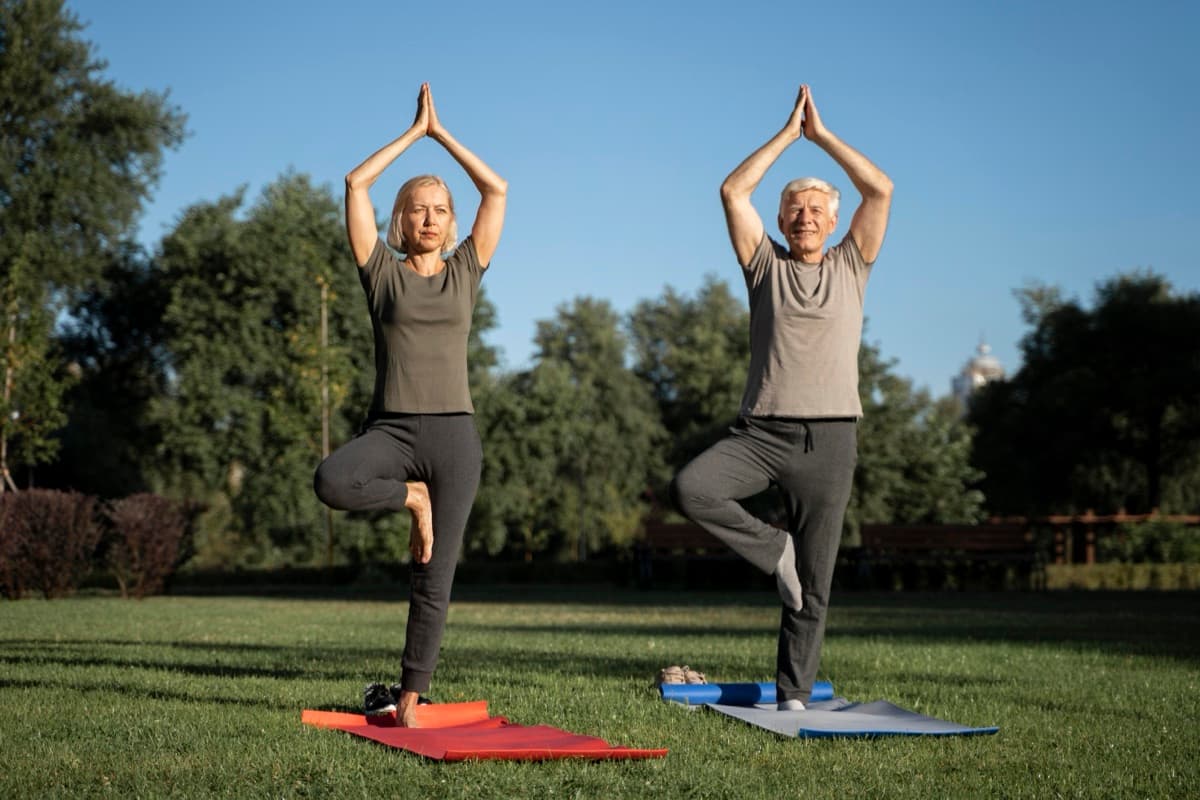
Tai chi and yoga prevent falls and fractures
Getting started
Practical tips for strengthening your bones.
- 1
Start slowly
Begin with 10–15 minutes of exercise and gradually increase the duration and intensity over several weeks.
- 2
Get professional guidance
Work with a physiotherapist or personal trainer who has experience with bone health and osteoporosis.
- 3
Listen to your body
Stop if you feel sharp pain or unusual discomfort. A little muscle soreness is normal. Joint pain is not.
- 4
Warm up and cool down
Always include 5–10 minutes of warming up and cooling down before and after exercise, to avoid injury.
- 5
Focus on technique
Doing the movement correctly matters more than intensity. Quality over quantity prevents injury and helps you get more from each session.
- 6
Be consistent
Regular exercise, on most days of the week, is the key. Bones need an ongoing stimulus to maintain and build density.
Your exercise programme should be tailored to you
No two people have the same bone status, fracture history, fitness or daily life, and no single exercise programme suits everyone. What is safe and effective for one person can be the wrong choice for another.
At OSAIA, our physiotherapists assess your situation, including your DXA results, any fractures, your fitness and your daily activity, and put together a personal plan that is safe and as effective as possible for your bones.
How OSAIA can help you
Our physiotherapists design bone-friendly exercise programmes based on your DXA results, fracture history and fitness level, so the plan is safe and effective for your specific situation.
DXA scan
Get a clear picture of your bone health before you start or adjust an exercise programme. Results within 7 days.
Bone markers
Use CTX and P1NP blood tests to check whether your exercise and treatment programme is working. They give faster feedback than waiting for the next DXA scan.
Medical assessment
If your bone density is low, our doctors assess whether medication alongside exercise is recommended, and we follow your progress over time.
Frequently asked questions
Answers to the questions we hear most often about exercise and bones.
Which types of exercise are best for the bones?
Weight-bearing exercise such as walking, jogging, dancing, stair climbing and tennis stimulates bone growth. Strength training with weights, resistance bands, squats, lunges and push-ups increases bone density. Balance training such as tai chi and yoga prevents falls and fractures. A combination gives the best protection.
How often should I exercise?
Regular exercise on most days of the week is the key. Bones need an ongoing stimulus to maintain and build density. Start with 10–15 minutes and gradually increase the duration and intensity over several weeks, rather than going all out from the start.
Is it safe to exercise if I have osteoporosis?
The programme needs to be tailored to you. Work with a physiotherapist or personal trainer who has experience with bone health and osteoporosis. Include 5–10 minutes of warming up and cooling down, and stop if you feel sharp pain or unusual discomfort. Muscle soreness is normal. Joint pain is not.
How do I know whether the exercise is working?
CTX and P1NP blood tests show whether your exercise and treatment programme is working, and they give faster feedback than waiting for the next DXA scan. A DXA scan gives a clear picture of your bone health before you start or adjust a programme, with results within 7 days.
Keep learning
Explore related topics to get a better understanding of bone health.
Ready to take charge of your bone health?
Join the hundreds of other patients who have chosen OSAIA on the way to better bone health. Start by booking a free pre-assessment. There is no obligation and no waiting list.
Book a free pre-assessment